“A street measured by footsteps,
A house counted one by one,
Why can’t we finish walking it in days?
Whose eyes have drawn another path?
These mossy alleys, these ancient houses
With polished ironwood pillars,
That ornate Assembly Hall across the lane,
Once arrived, how could one ever part?”
Dark-tiled roofs, mossy corners, and bright bougainvillea trellises together create a tranquil yet stirring picture. Perhaps it is precisely this modesty, harmony, and warmth that keep Hoi An consistently named among the world’s most esteemed travel rankings:
Let moodhoian take you on a walk to discover why this small city carries such a “great soul.”
Hoi An was once a bustling international trading port from the late 16th century, where merchants from Japan, China, and the West came to exchange goods. Yet its greatest legacy after centuries is not gold or silk, but the cultural fusion preserved in every house and every lifestyle.
The town isn’t “frozen” like a museum. Locals still live within the heritage — sweeping their courtyards, wrapping bougainvillea vines around old timber pillars, living and preserving simultaneously. Over 1,300 heritage sites are protected thanks to the local community, not just tourism.
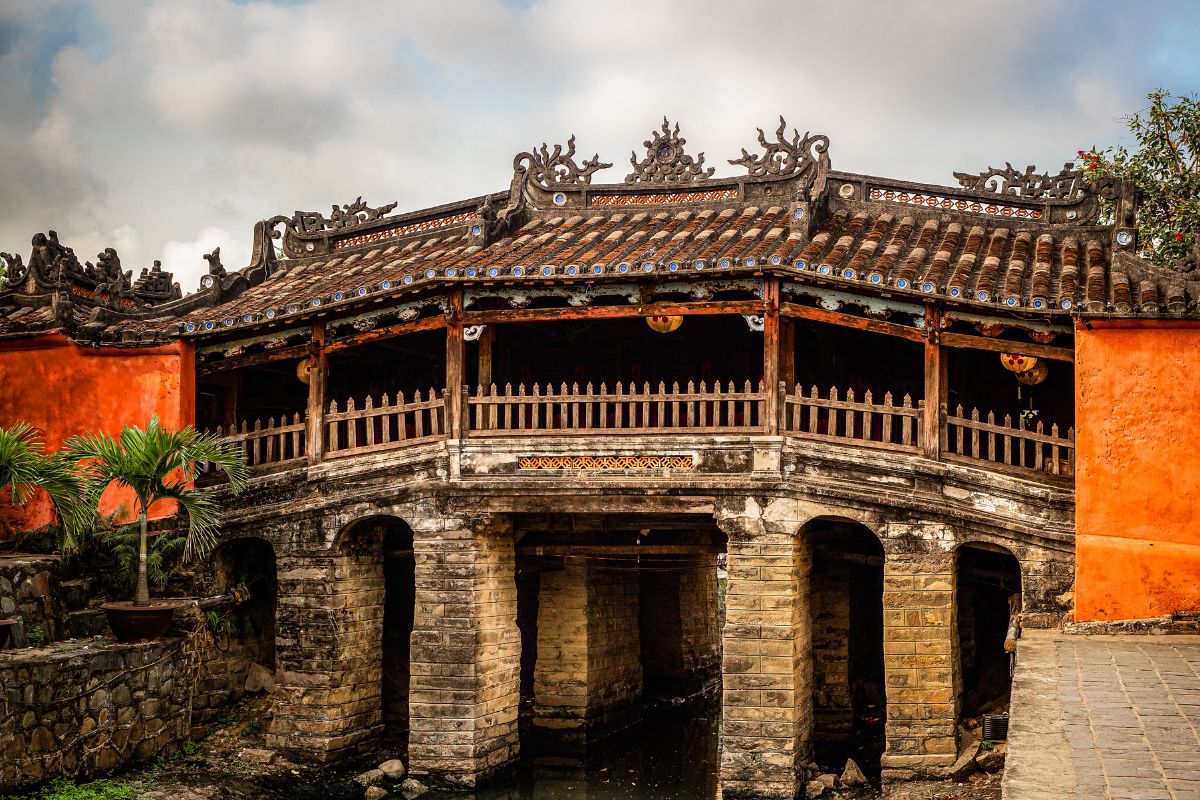
If you’ve ever wondered what to do in Hoi An, think of the narrow two-story houses with yin-yang tiled roofs; the Chinese assembly halls like Phuc Kien, Trieu Chau, and Quang Dong; or the Japanese Covered Bridge — a small structure yet a symbol of harmony among Vietnamese, Japanese, and Chinese cultures — all forming the unique identity of Hoi An.
Since 1999, Hoi An has been recognized by UNESCO as a World Cultural Heritage Site. And by 2023, it was honored as a Creative City in Crafts and Folk Arts. This heritage does not slumber — it lives and breathes.
Hoi An’s cuisine not only fills the stomach but also tells tales of centuries-long cultural exchange.
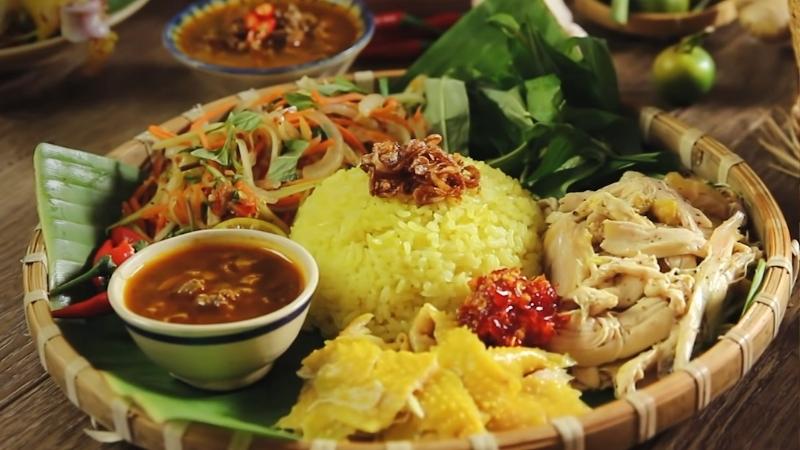
Alongside traditional Vietnamese dishes such as mi Quang, banh dap, and banh vac, there are Chinese-influenced ones like bao buns, wontons, Phuoc Kien fried noodles, and golden coin cakes. Among them, cao lau — with its golden noodles, flavorful char siu, and clear broth — is regarded as the soul of Hoi An cuisine, reflecting its spirit of “integration with individuality.”
Hoi An people cook simply yet meticulously, using fresh ingredients, the unique Ba Le well water, and traditional wood-fired stoves. Each dish tells a story of the land and its people — a way of preserving the town’s spirit through flavor.
Don’t miss the must-try dishes when visiting Hoi An to understand why the food here feels both familiar and extraordinary.
Hoi An not only preserves but also retells its stories in contemporary ways.
Every full moon, the town glows during the Hoi An Lantern Festival, where lights, wishes, and smiles merge into the flow of the Hoai River.
The bai choi folk singing resounds in the square — a UNESCO-recognized intangible heritage — while the “Hoi An Memories” show, featuring 500 performers reenacting 400 years of trading history, shows how the city renews its heritage without losing its soul.
The city is also pioneering sustainable and community-based tourism: local villagers run craft villages, homestays, and cultural performances. Hoi An is therefore not only beautiful — it’s a model for balanced cultural and tourism development.
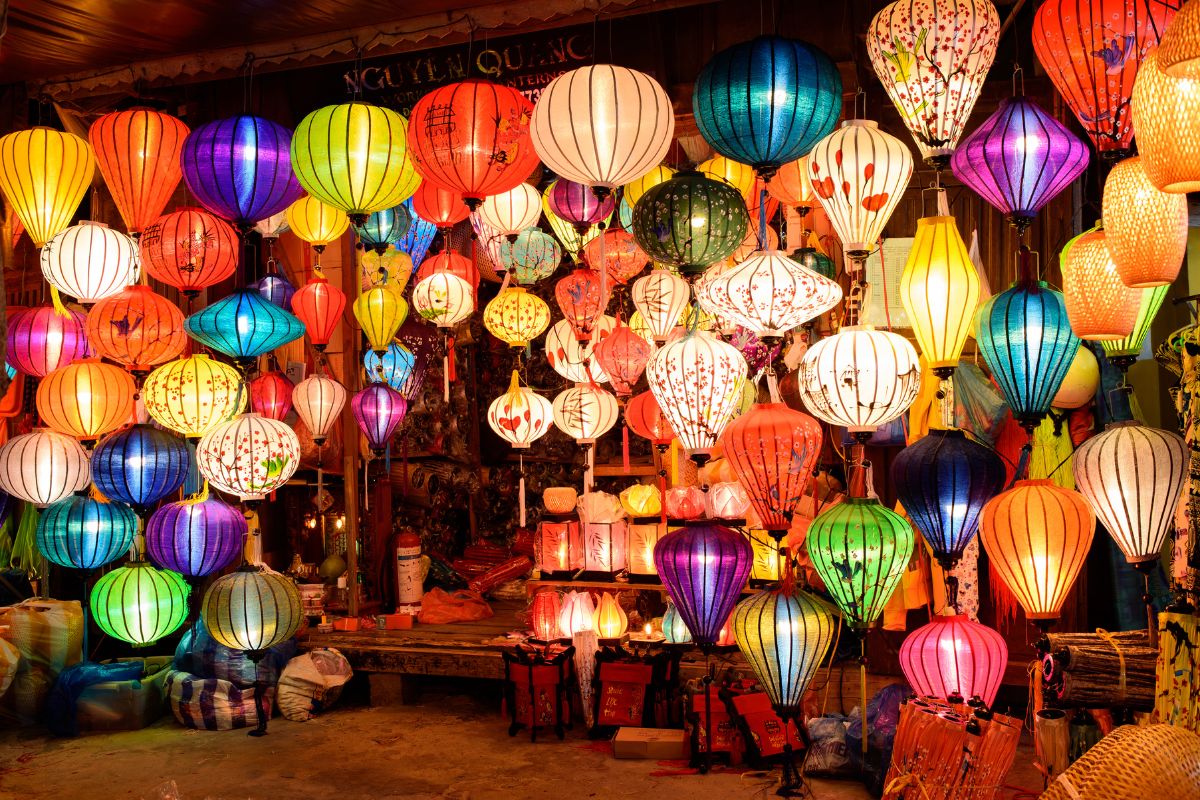
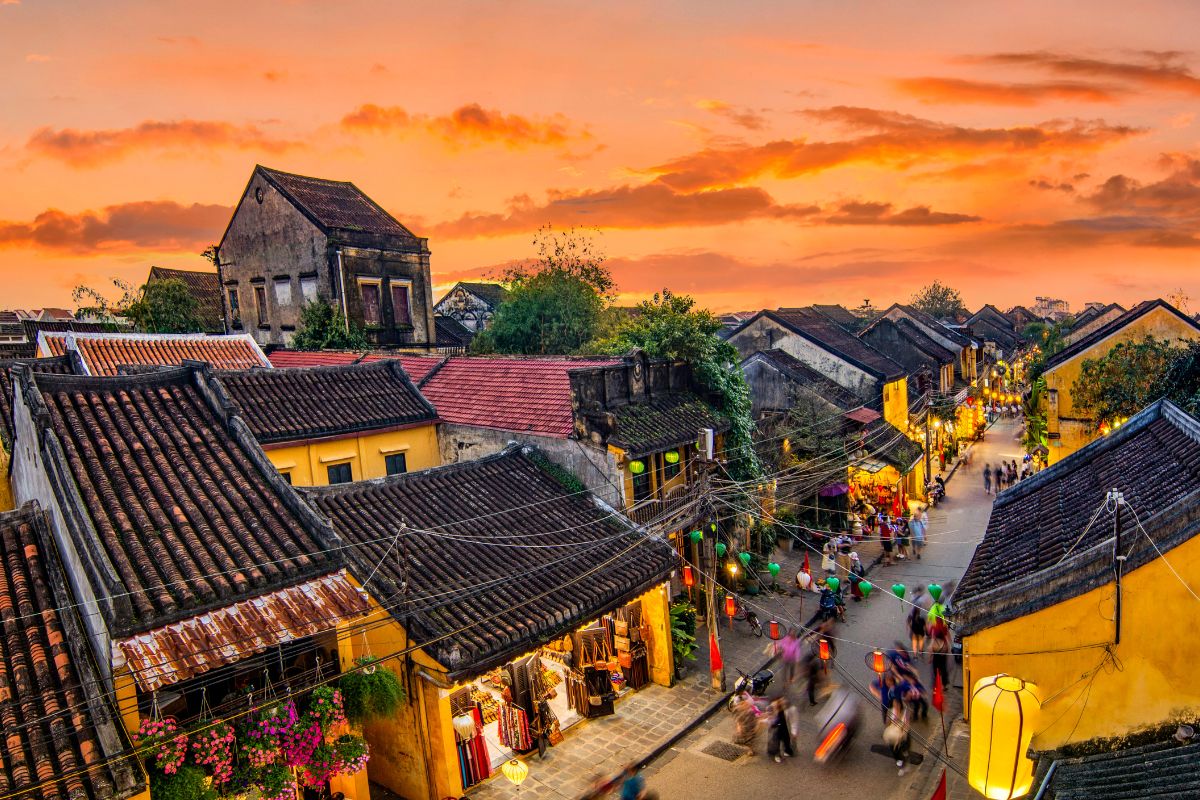
At sunset along the Hoai River, Hoi An seems to slow down. Lantern light dances on the water; the sound of footsteps, vendors, and laughter forms an unspoken symphony only those who’ve been here can truly understand.
The BBC once described it as “a golden-hued town steeped in charm”, while Time Out called it “the miniature Venice of Asia” — a place where light and water together tell stories of love.
Take an evening stroll through Hoi An Ancient Town, when the streets glow not only with lanterns but with human warmth — a moment that stills the traveler’s heart, then fills it again.
The people of Hoi An are the soul of the old town. They are gentle, calm, soft-spoken, and serene. In the morning, they gather for coffee, go to the market, and chat by the riverside. Vendors call out through narrow alleys; the scent of banh mi mingles with mung bean sweet soup and the fragrance of areca flowers in the breeze.
Their simplicity is what keeps Hoi An alive in visitors’ hearts. Though tourism thrives, locals remain graceful, modest, and kind — hospitable not by profession, but by nature.

Beyond the ancient town, the surrounding villages also shape Hoi An’s reputation:
These villages show that Hoi An’s charm lies not only in its architecture but also in its living culture — embedded in every grain of soil, every piece of wood, and every working hand.

Through more than half a millennium, Hoi An remains tranquil, graceful, and proud. Over 400 restored relics and thousands of lit homes still welcome guests each evening — not merely for viewing, but for living within.
“There are places we only visit, but Hoi An chooses to stay in our hearts.”
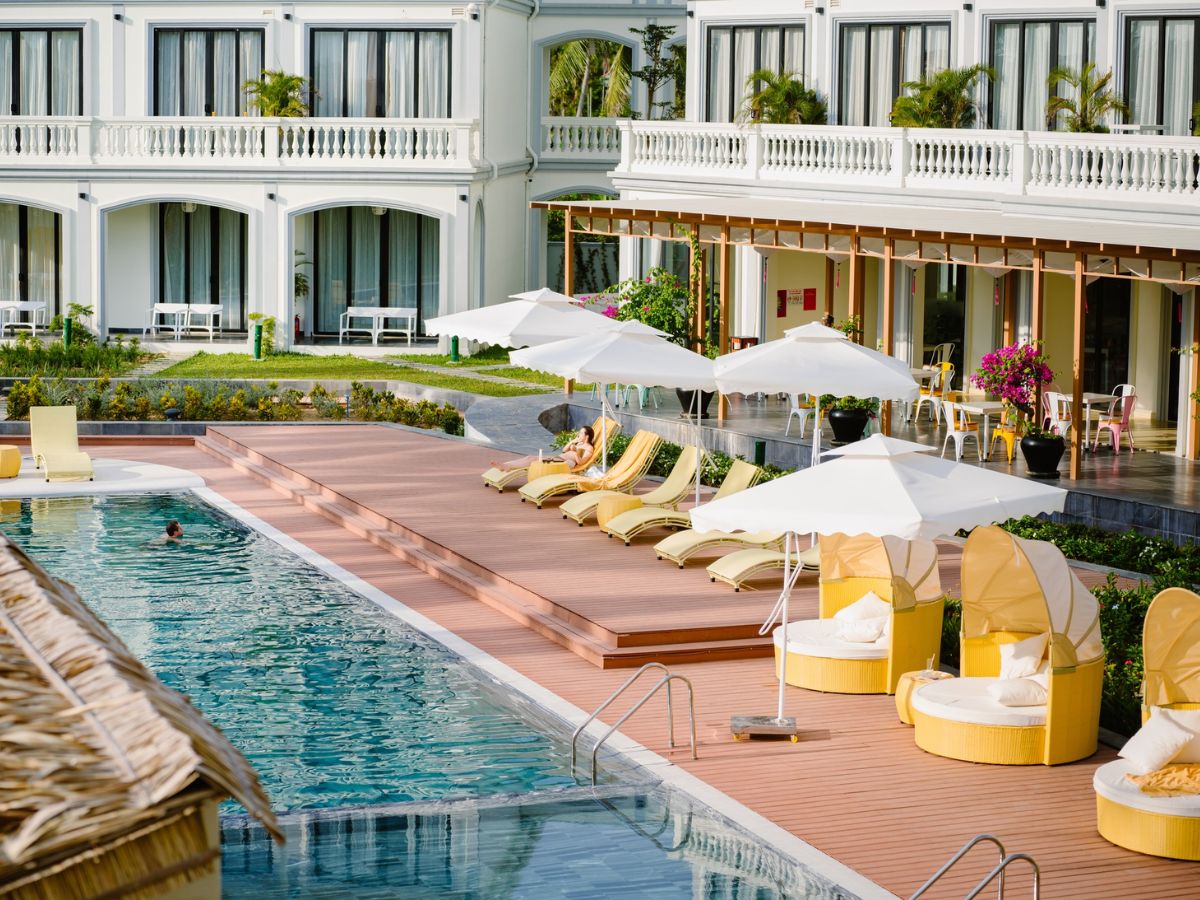
After wandering through the golden-lit ancient streets, let moodhoian Riverside Resort & Spa be where you rest — breathing in the calm of the riverside. Nestled by the quiet Do River, the resort offers a peaceful retreat with a saltwater pool, lush herb garden, and rooms that open to the sound of wind and the scent of bamboo.
From moodhoian, you can cycle across green fields or take the free daily shuttle bus to the ancient town — just minutes away. When you return, soak in the saltwater pool, watch the sunset over the river, and experience a different Hoi An — serene, soulful, and poetic.
moodhoian is more than a resting place — it’s part of the full Hoi An experience, where time slows down so you can hear the city breathe and find peace within yourself.
moodhoian Contact Information: